Cosmetic Grade Phytosphingosine-CAS 554-62-1
Product Name: Phytosphingosine
Chemical Name: 2-Amino-1,3,4-octadecanetriol / (2S,3S,4R)-2-Aminooctadecane-1,3,4-triol
Alternative Names: Phytosphingosine, 4-Hydroxysphinganine, 4-Sphingenine, PHS
INCI Name: PHYTOSPHINGOSINE
CAS No.: 554-62-1
Alternative CAS: 13552-11-9 (hydrochloride salt form)
Molecular Formula: C₁₈H₃₉NO₃
Molecular Weight: 317.51 g/mol
Chemical Class: Sphingoid base / Ceramide precursor
Purity: ≥98.0% (HPLC), Cosmetic Grade
Also Available: 90%, 95%, 99% purity grades
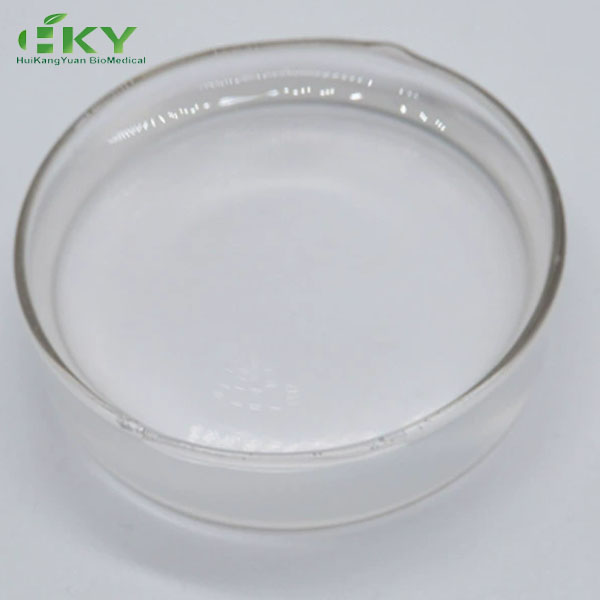
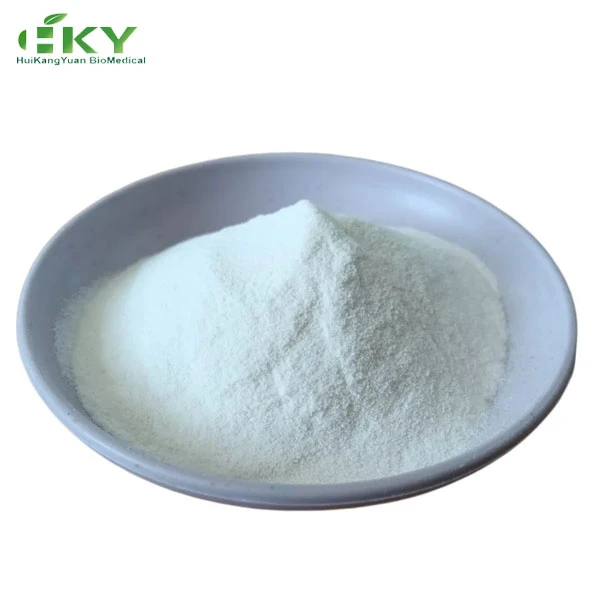
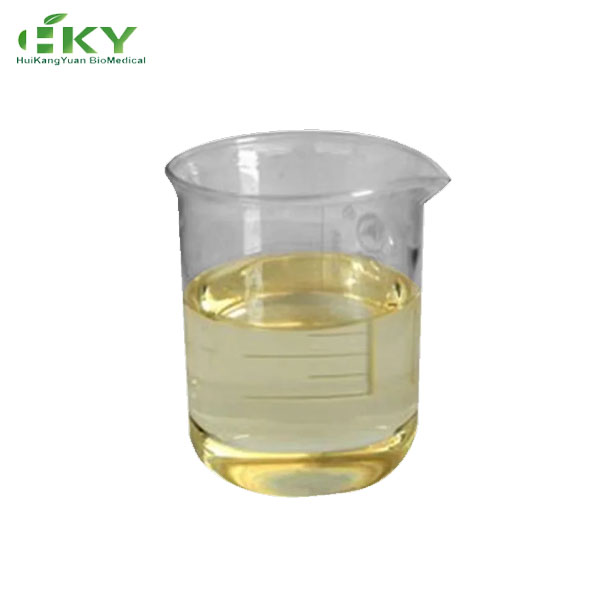
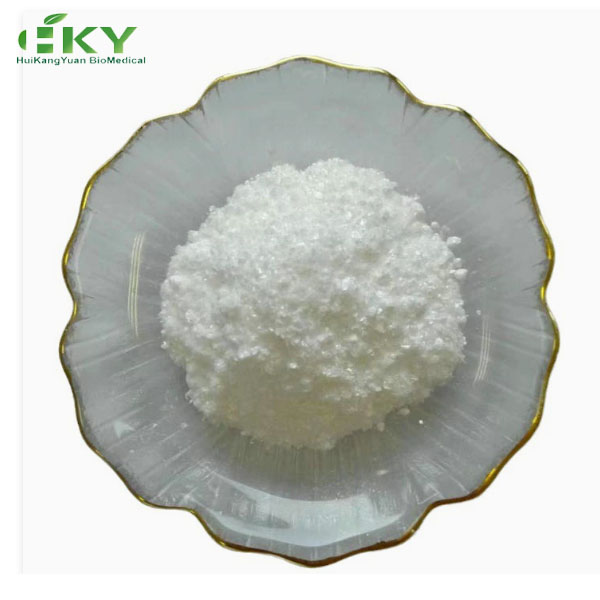
Appearance: White to Off-White Crystalline Powder
Odor: Slight characteristic odor
Melting Point: 102 - 111°C
Boiling Point: ~483.7°C at 760 mmHg
Solubility: Oil-soluble; soluble in oils, ethanol, propylene glycol, butylene glycol; insoluble in water
pH Range (1% dispersion): 5.0 - 7.0
Effective pH Range: 3.0 - 9.0
Loss on Drying: ≤2.0%
Residue on Ignition: ≤0.5%
Heavy Metals (as Pb): ≤10 ppm
Arsenic (As): ≤2 ppm
Total Plate Count: ≤100 CFU/g
Yeast & Mold: ≤10 CFU/g
Key Characteristics: Natural sphingoid base, direct ceramide precursor, potent antimicrobial activity (especially against acne-causing bacteria), anti-inflammatory, skin barrier strengthening, excellent skin biocompatibility, non-comedogenic, suitable for sensitive and acne-prone skin
Storage Condition: Sealed, cool, dry and well-ventilated place, protect from light and moisture, refrigeration recommended for long-term storage
Shelf Life: 24 Months under proper storage conditions
MOQ (Minimum Order Quantity): 100g (sample), 1KG (standard)
Source / Origin: Bio-fermentation (yeast-based) / synthetic biology production, 100% vegan, non-animal derived
Application: Skin barrier repair, ceramide precursor, antimicrobial and anti-acne active, skin conditioning agent, hair conditioning agent; used in serums, creams, lotions, acne treatments, sensitive skin care, hair care products
Phytosphingosine, Plant Sphingosine, Cosmetic Grade Phytosphingosine, Ceramide Precursor, Skin Barrier Repair Ingredient, Antimicrobial Lipid, Anti-Acne Active, Skin Conditioning Agent
Cosmetic Grade Phytosphingosine-CAS 554-62-1
Cosmetic Grade Phytosphingosine is a high-purity natural sphingoid base produced through advanced bio-fermentation and synthetic biology technology. As a direct biosynthetic precursor to ceramides — the dominant lipid class in the skin's stratum corneum — Phytosphingosine plays a fundamental role in maintaining skin barrier integrity and moisture retention. It naturally integrates into the skin's lipid matrix, strengthening the epidermal barrier and reducing transepidermal water loss (TEWL).
Beyond barrier support, Phytosphingosine exhibits potent antimicrobial activity against common skin pathogens including Cutibacterium acnes (acne bacteria), Staphylococcus aureus, and Malassezia, making it highly effective for acne-prone and problem skin. It also demonstrates significant anti-inflammatory properties by downregulating pro-inflammatory mediators like TNF-alpha and IL-6, helping to calm redness and soothe irritated skin. With excellent biocompatibility and a non-comedogenic profile, Phytosphingosine is suitable for all skin types including sensitive, reactive, and rosacea-prone skin. Fully compliant with global cosmetic regulations, it is a premium multi-functional active ingredient for barrier repair, anti-acne, and soothing skincare formulations.
Key Benefits
• Direct Ceramide Precursor: Serves as the direct building block for ceramide biosynthesis, supporting the skin's natural lipid barrier structure.
• Potent Antimicrobial Activity: Effective against acne-causing bacteria (Cutibacterium acnes), Staphylococcus aureus, and Malassezia fungi without promoting antibiotic resistance.
• Anti-Acne & Blemish Control: Dual action antimicrobial + anti-inflammatory, helps clear acne and reduce post-acne redness.
• Excellent Skin Biocompatibility: Naturally present in human skin, highly bioidentical, and exceptionally well-tolerated.
• Non-Comedogenic: Does not clog pores, suitable for oily and acne-prone skin types.
• Suitable for Sensitive Skin: Gentle and soothing, ideal for reactive, rosacea-prone, and compromised skin.
• Wide pH Compatibility: Stable and effective across pH 3.0-9.0, compatible with most cosmetic formulations.
• Multi-Functional Active: Barrier repair + antimicrobial + anti-inflammatory + moisturizing, four benefits in one ingredient.
• Vegan & Cruelty-Free: Produced via bio-fermentation, 100% plant-derived, no animal sources.
• Premium Skin-Identical Ingredient: Naturally occurring skin lipid, premium positioning for high-end skincare formulations.
Applications
• Barrier Repair Skincare: Used in barrier repair serums, creams and lotions to replenish skin lipids and strengthen the protective barrier, especially for damaged or compromised skin.
• Anti-Acne & Blemish Treatments: Applied in acne serums, spot treatments and clarifying products for its dual antimicrobial and anti-inflammatory action against acne-causing bacteria.
• Sensitive & Soothing Skin Care: Incorporated into sensitive skin creams, redness relief products and rosacea care formulations to calm irritation and reduce inflammation.
• Moisturizing Creams & Lotions: Added to daily moisturizers, hydrating serums and body lotions to enhance moisture retention and improve skin hydration.
• Anti-Aging & Rejuvenation Products: Used in anti-aging serums and creams to support skin barrier integrity and maintain youthful skin structure.
• Post-Procedure & Recovery Care: Ideal for post-treatment skincare (after peels, lasers, microneedling) to support skin recovery and barrier repair.
• Scalp & Hair Care: Applied in scalp treatments, shampoos and conditioners to support scalp barrier health, soothe irritated scalp and condition hair.
• Baby & Gentle Care: Can be used in mild baby care products and ultra-gentle formulations for delicate skin.
• Custom Ceramide Systems: Supports customized development of combined barrier repair systems with ceramides, cholesterol, fatty acids and other skin-identical lipids.
Certificate Of Analysis (COA)
Test Item | Standard Specification | Test Result |
Product Name | Phytosphingosine | Compliant |
INCI Name | PHYTOSPHINGOSINE | Compliant |
CAS No. | 554-62-1 | Compliant |
Appearance | White to Off-White Crystalline Powder | Compliant |
Odor | Slight characteristic odor | Compliant |
Purity (Assay by HPLC) | ≥98.0% | 98.65% |
Molecular Formula | C₁₈H₃₉NO₃ | Compliant |
Molecular Weight | 317.51 g/mol | Compliant |
Melting Point | 102 - 111°C | 106.5°C |
Loss on Drying | ≤2.0% | 0.85% |
Residue on Ignition | ≤0.5% | 0.12% |
pH Value (1% dispersion) | 5.0 - 7.0 | 6.2 |
Specific Optical Rotation | +12° to +18° | +15.3° |
Solubility Test (in ethanol) | Clear solution | Clear, fully soluble |
Heavy Metals (as Pb) | ≤10 ppm | <5 ppm |
Arsenic (As) | ≤2 ppm | <0.5 ppm |
Lead (Pb) | ≤2 ppm | <0.3 ppm |
Mercury (Hg) | ≤1 ppm | <0.1 ppm |
Cadmium (Cd) | ≤1 ppm | <0.1 ppm |
Total Aerobic Count | ≤100 CFU/g | <10 CFU/g |
Yeast & Mold | ≤10 CFU/g | <1 CFU/g |
E. coli | Negative | Negative |
Salmonella | Negative | Negative |
Staphylococcus aureus | Negative | Negative |
Pseudomonas aeruginosa | Negative | Negative |
Candida albicans | Negative | Negative |
Source | Bio-fermentation / Vegan | Compliant |
Conclusion | Conforms to cosmetic grade quality standard | Qualified |
Frequently Asked Questions (FAQ)
• Q1: What is the MOQ of cosmetic grade Phytosphingosine? A1: The standard MOQ is 1KG, and 100g sample orders are supported for quality inspection and formulation testing.
• Q2: What purity grades are available and which one should I choose? A2: We offer 90%, 95%, 98% and 99% purity grades. 98% is the standard cosmetic grade and most cost-effective for most skincare applications; 99% is recommended for premium or clinical formulations.
• Q3: Is Phytosphingosine compliant with international cosmetic regulations? A3: Yes, it is listed in China IECIC, EU CosIng, and approved by FDA. It is a globally accepted cosmetic ingredient with no specific use concentration restrictions.
• Q4: What is the recommended usage level in cosmetic formulations? A4: Typical use level is 0.05-1.0% depending on product type: 0.05-0.2% for daily moisturizers, 0.1-0.5% for barrier repair and anti-acne products, 0.05-0.2% for hair care.
• Q5: How should I incorporate Phytosphingosine into my formulation? A5: Phytosphingosine is oil-soluble - it should be added to the oil phase and fully dissolved during the initial formulation stage or homogenization step. Heat to 70-80°C for complete dissolution. Avoid direct contact with anionic thickeners like carbomers and xanthan gum.
• Q6: Can Phytosphingosine be combined with ceramides and other lipids? A6: Absolutely - it works synergistically with ceramides, cholesterol, and fatty acids. The classic skin-identical lipid ratio (3:1:1 ceramide:cholesterol:fatty acid) plus Phytosphingosine creates an optimal barrier repair system.
• Q7: What is the difference between Phytosphingosine and regular Sphingosine? A7: Phytosphingosine has an additional hydroxyl group at the 4-position, making it more polar and better at barrier repair. It also has stronger antimicrobial activity and is gentler on the skin compared to sphingosine.
• Q8: Do you support long-term stable large-batch supply? A8: Yes, our bio-fermentation production line has sufficient capacity to ensure sustainable and stable bulk supply all year round, with consistent quality across batches.
Contact Us
💌 Contact us today for technical data, formulation guidance, and competitive pricing! E-mail:
You Might Also Like
1.ur Products A full range of high-quality cosmetic raw materials, including plant extracts, natural active ingredients, skin care actives and formulation additives. Stable supply & strict quality control.